Saffron reaches a kitchen as a small jar of dried threads, but it starts as three red stigmas inside a purple crocus flower that opens for a few days in autumn. The threads are picked by hand in the morning, dried gently, and then used in tiny amounts: a single gram holds roughly 450 to 500 threads, enough for about 20 to 30 risotto portions. Stored away from light, heat and moisture, those threads keep their colour and aroma for about two years.
From the flower to the drying tray
Crocus sativus flowers in autumn, and each flower carries three red stigmas. The flowers are gathered in the early morning, before the sun opens them fully, because heat and light degrade the pigments. Picking is done by hand: the flower is cut or twisted off at the base, and the stigmas are separated from the rest of the flower, a step that in Italian is called sfioratura. This is the slowest part of the work, and it is why saffron is expensive: the yield is around 5 to 7 kilograms of fresh flowers for 1 kilogram of fresh stigmas, and those stigmas lose about 80 percent of their weight when dried.
Drying is a controlled removal of water, not a cooking step. Traditional methods use a gentle heat source, such as a low oven, a warm plate or a shaded air current, keeping the threads at roughly 40 to 50 degrees Celsius for 15 to 30 minutes. Above that range the threads darken, turn brittle and lose the volatile compounds that carry the aroma. The goal is a thread that is dry enough to snap but still flexible, deep red with a slightly orange tip, and not powdery. After drying, the threads cool completely before they go into a sealed container. For a closer look at how this is handled in the Veneto, from the fields of the Colli Euganei to the kitchen, see Zafferano Padova, an Italian editorial site on local saffron.
How much saffron does a risotto need?
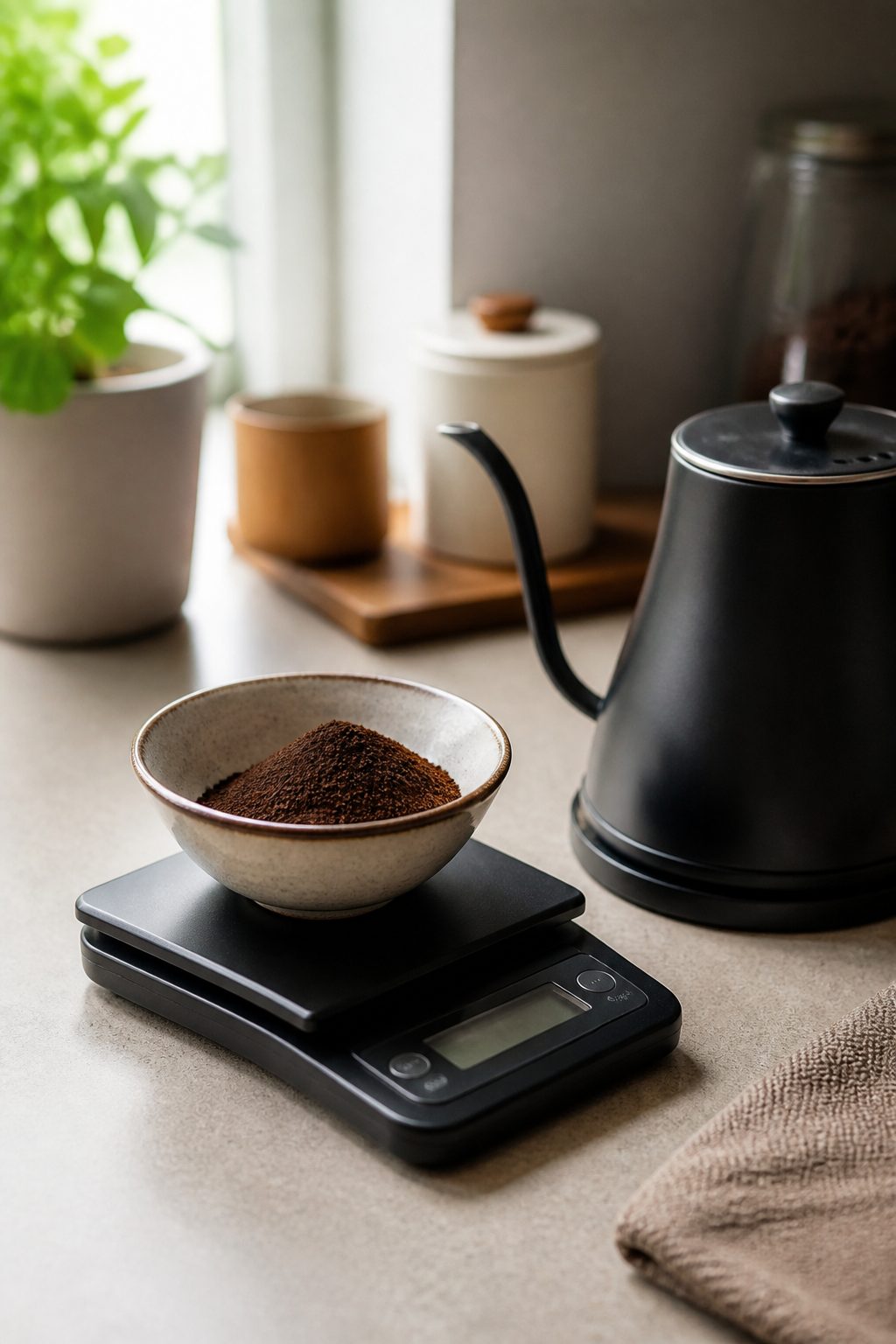
A standard risotto for four people uses 0.1 to 0.15 grams of dried threads, which is roughly 50 to 75 threads, or a generous pinch. That is the dose most Italian recipes assume, and it is small enough that weighing is more reliable than eyeballing: a 0.01 gram scale removes the guesswork. One gram therefore covers about 6 to 10 risottos, depending on how strongly you want the spice to read.
The threads are not thrown in dry. They are steeped in a small amount of warm liquid, usually the stock or a spoonful of the same broth, for 10 to 20 minutes. This releases the colour and aroma into the liquid, which then goes into the rice near the end of cooking. Adding dry threads directly to a hot pan gives a weaker, more uneven result. In a risotto, saffron is usually paired with a simple base, such as butter, onion, Parmesan and a light stock, so the spice is not competing with strong herbs. The same dose logic applies to other dishes: a pinch for a sauce or a fish broth, slightly more for a dense meat dish.
How should saffron be stored?
Saffron keeps best in a small, airtight container made of glass or tin, kept in a dark cupboard away from the stove. Light, heat, air and moisture are the four things that shorten its life. A sealed jar in a cool pantry holds its quality for about 18 to 24 months; a jar left open on a sunny shelf can lose most of its aroma in a few months.
Do not store saffron in the refrigerator unless the container is truly airtight, because the threads pick up moisture and odours from other food. Freezing is not necessary for dried threads and can cause condensation each time the jar is opened. If you buy saffron in a plastic bag, move it to glass or tin as soon as possible. A simple check before use: good threads are deep red, dry and slightly elastic, and they release colour quickly when steeped. Threads that are pale, dusty or smell of hay rather than honey and flowers have lost most of what made them worth buying.
What does one gram of saffron look like in practice?
One gram is a small pile, about the size of a thumbnail, and it contains roughly 450 to 500 individual threads. In a risotto for four, you use about a tenth of that gram. In a large pot of fish soup or a braised meat dish for six, you might use 0.15 to 0.2 grams. A single gram is therefore a working quantity, not a single serving: it is the unit that makes sense for a home cook who uses saffron once or twice a month.
This is also why the price per gram matters less than the price per dish. A gram that costs a few euros and covers eight risottos is cheaper per plate than a cheap gram that has lost its colour and needs to be doubled. When buying, look for threads rather than powder, because powder is easier to adulterate and loses aroma faster. Origin labels, such as saffron grown in the Colli Euganei, indicate a defined area and a known drying practice, but the visual check on the threads themselves remains the most direct test.
Common mistakes when cooking with saffron
The most frequent error is using too much. Saffron is potent, and doubling the dose does not double the pleasure; it turns the dish bitter and medicinal. A second error is adding the threads at the start of a long cooking time, which drives off the aroma. Steep them first, then add the liquid in the last few minutes. A third is grinding the threads to a powder in a dry mill, which loses more aroma than steeping them whole.
Another mistake is storing saffron next to spices with strong smells, such as paprika or cumin, in an open spice rack. The threads absorb those odours. Finally, do not judge saffron only by the colour it gives. A bright yellow risotto can come from a large dose of mediocre threads, while a smaller dose of good saffron gives a golden hue and a clear, honeyed aroma. Colour is a signal, not the goal.
Why the picking and drying steps decide the final quality
Everything that happens after the flower opens is a race against degradation. The stigmas are delicate, and the compounds that give saffron its colour and smell are sensitive to heat, light and oxygen. A fast, gentle drying preserves them; a slow or hot drying destroys them. The same logic applies in the kitchen: the way you steep and store the threads either protects those compounds or wastes them.
For a home cook, this means the useful habits are simple. Buy threads, not powder. Keep the jar closed and dark. Weigh the dose rather than guessing. Steep before adding. Use saffron in dishes with a mild base, where its aroma can be noticed. Done this way, a single gram of well-handled saffron does real work in the kitchen, and the flower that opened on an autumn morning is still present on the plate.
Saffron threads keep their color and aroma for about a year when stored in an airtight jar away from light and heat, and the same logic applies to any cured meat you bring home: whole pieces last longer than slices, and a cool, dark spot beats the refrigerator door. If you already weigh doses in grams for a pinch of saffron, you will recognize the habit of cutting a piece only as needed. For a closer look at how each Italian region trims, stores and serves its salumi, see this guide to regional cured meats.