Section
Beans & Roast
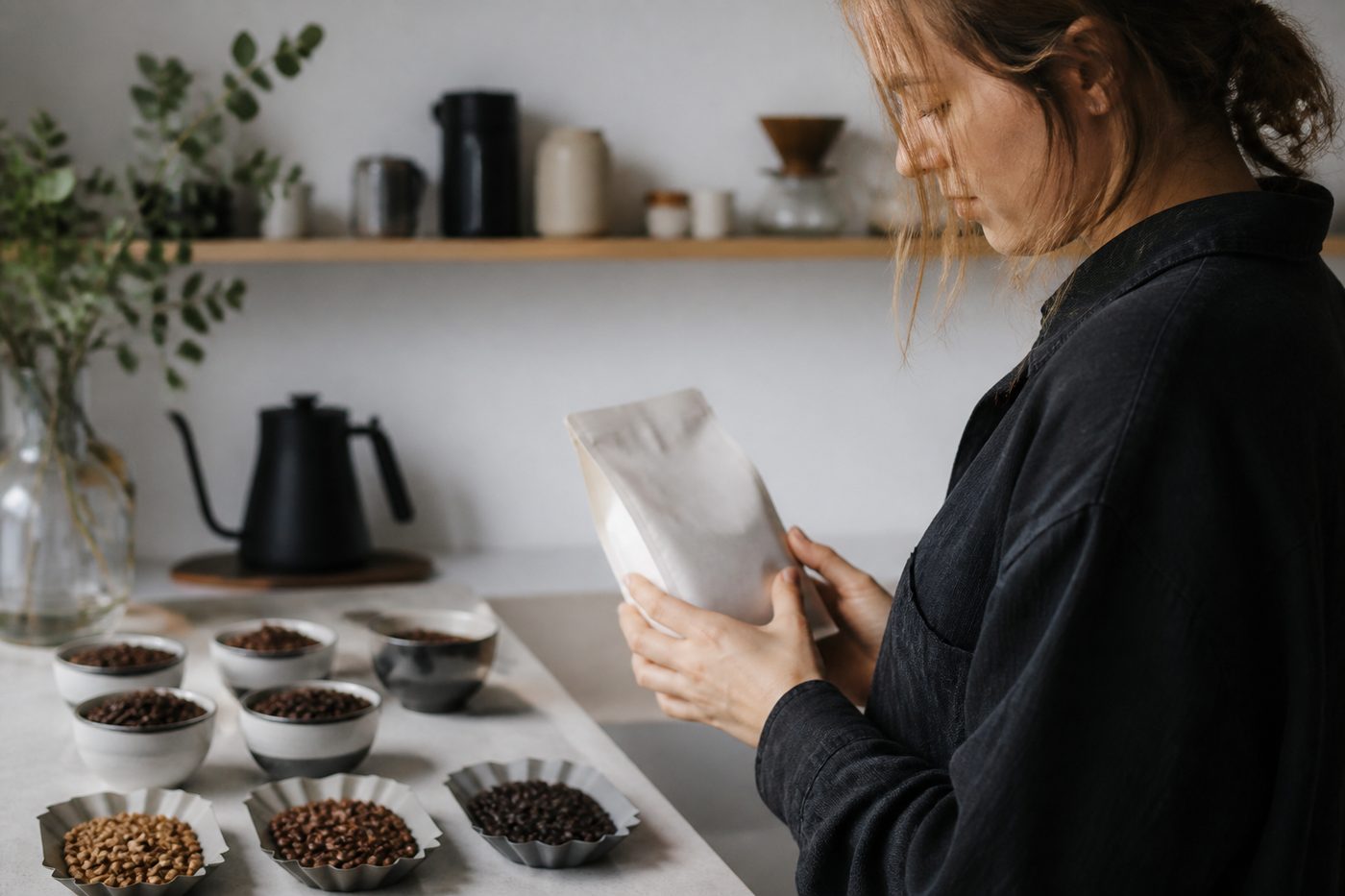
Before grind size or brew time, the biggest lever on flavor is the bean itself: how it was roasted and how fresh it is. This section explains what roast level changes in the cup and how to read a bag label without guessing.
- 4 guides
- Last updated 15/09/2026
What this section covers
- How light, medium and dark roasts differ in acidity, body and sweetness.
- Which label terms describe the coffee itself, and which describe marketing.
- Why a roast date matters more than a brand name when judging freshness.
- How origin and processing show up as flavor notes, in general terms.
Guides in this section
Most recent first
-
Cured meats by region: cut, keep and serve
A regional guide to Italian cured meats, from culatello to nduja, plus how to cut, store and arrange a whole piece on a board at home.
-
Marlborough vintage reports and sauvignon blanc
What a Marlborough vintage report tells you about the wine in the bottle, which recent years ran warm or cool, and how long sauvignon blanc keeps.
-
Understanding roast levels: light, medium and dark explained
What actually happens to a bean during roasting, and why roast level changes acidity, body and sweetness more than most people expect.
-
How to read a bag of coffee beans
Roast date, origin, process and grade: what each label term actually tells you, and which ones are closer to marketing.